


National Dentist Day UK: Time to Smile and Celebrate Your Pearly Whites
March 6th marks National Dentist Day in the UK, and while many might associate the day with a trip to the dentist, it’s actually the perfect opportunity to reflect on the crucial role dentists play in our health and wellbeing. From fixing cavities to offering advice on the best toothpaste, our dentists are truly the unsung heroes behind our smile. So, let’s take a moment to appreciate their expertise and explore how we can keep our teeth in tip-top condition, all while acknowledging how technology is making managing dental-related health issues easier than ever.
Why National Dentist Day Matters
For most of us, a trip to the dentist isn’t exactly the highlight of the month. The dreaded sound of the drill, the uncomfortable chair, and the “open wide” routine can all make even the bravest among us feel a bit uneasy. However, dental care is far more than just a visit for a cleaning or filling—it’s a vital part of our overall health. Poor dental hygiene can lead to a range of serious health conditions, including gum disease, heart problems, and diabetes. That’s why National Dentist Day isn’t just a celebration of your dentist’s ability to fix your smile—it’s a reminder of how dental health is intertwined with general health.
So, while we may not always look forward to our dentist appointments, they play an essential part in helping us stay healthy and look after our most visible asset—our smile.
Dental Health Tips for a Sparkling Smile
While your dentist is your primary expert when it comes to oral health, there are some simple steps you can take to keep your teeth in top condition between visits. Here are a few tips to maintain your sparkling smile:
1. Brush Twice a Day
We’ve all heard it a million times, but brushing twice a day really does make a difference. Aim for at least two minutes each time, and don’t forget to brush your tongue!
2. Floss Regularly
Flossing helps remove food particles and plaque from between your teeth that your toothbrush simply can’t reach. It’s the extra step that can make all the difference in preventing gum disease.
3. Drink Water
Not only is water great for your overall health, but it also helps wash away food particles and bacteria in your mouth, reducing the risk of tooth decay.
4. Visit Your Dentist Regularly
Regular check-ups with your dentist allow them to spot issues before they become serious. It’s better to catch a problem early than to wait until you’re in agony!
5. Limit Sugary Snacks
We all love a cheeky biscuit or sweet treat now and then, but reducing sugar consumption can help protect your teeth from cavities and decay. Choose healthier snacks like fruit or nuts to satisfy your cravings.
Sick Notes and Dental Health: How DrNote.co.uk Can Help
While we’re celebrating National Dentist Day, it’s also important to recognise that dental health can sometimes affect our ability to work or carry out daily activities. A particularly nasty toothache, a dental procedure, or a serious gum infection can leave you bedridden or unable to perform at your best. In these instances, you might need a sick note for work or school to explain your absence.
This is where DrNote.co.uk comes in. Whether you’re dealing with a dental emergency or recovering from a more complex procedure, DrNote.co.uk makes it easier than ever to get the documentation you need. No more scrambling for a paper note from your dentist or waiting for a handwritten form; DrNote.co.uk allows you to request sick notes directly from your healthcare provider with ease.
If you’ve had a dental procedure or need time to recover from a severe toothache, simply use DrNote.co.uk to document your medical situation and receive a professional sick note for work, school, or other responsibilities. It’s a simple and efficient way to manage your health documentation—leaving you to focus on recovery and getting back to your usual routine as quickly as possible.
Why We Should All Be Grateful for Our Dentists
It’s easy to take our dentists for granted. We often only remember them when something goes wrong—whether it’s a nagging toothache or a broken tooth that ruins an important event. But, as anyone who’s ever experienced a dental emergency knows, our dentists are the people we rely on to keep us smiling. They work tirelessly to ensure our oral health is at its best, offering preventative care, treatments, and advice that can save us from future pain and discomfort.
So, on National Dentist Day, let’s show some appreciation. Whether it’s sending a thank-you message to your dentist or simply making sure you’re keeping up with your regular check-ups, let’s take a moment to recognise the vital work they do.
Conclusion
As we celebrate National Dentist Day, it’s important to remember that dental health isn’t just about keeping our teeth looking good—it’s about maintaining our overall health and wellbeing. Taking care of our teeth through good habits, regular visits to the dentist, and the right support when we need it ensures that we can keep smiling for years to come.
And if you find yourself in need of a sick note following a dental procedure or treatment, remember that DrNote.co.uk is there to help make the process smoother. With their easy-to-use platform, you can get the documentation you need quickly and efficiently, leaving you with more time to focus on your recovery.
Here’s to a brighter, healthier smile and a big thank you to the dental professionals who keep us smiling every day!

Ovarian Cancer and Endometriosis Awareness Month: A Time for Reflection, Education, and Empowerment
March is here, and for many of us, it’s a time to celebrate the first signs of spring. But for those living with ovarian cancer and endometriosis, this month has a deeper significance; one that brings much-needed awareness to two critical health conditions that affect millions of people worldwide. As we observe Ovarian Cancer and Endometriosis Awareness Month, it’s essential to not only educate ourselves about these often-overlooked diseases but also to support those impacted by them.
Both ovarian cancer and endometriosis have a unique relationship to women’s health. One is often silent until it’s too late, and the other can bring daily battles that are just as painful and complex. So, let’s take a step back, breathe, and explore why these conditions deserve our attention, along with some practical tips for managing them.
What is Ovarian Cancer?
Ovarian cancer, though relatively rare, is one of the most deadly cancers for women. It accounts for about 4% of all cancers in women and is notoriously difficult to detect in its early stages. Unlike breast cancer or cervical cancer, which have well-known screening tests like mammograms and cervical smears, ovarian cancer often flies under the radar until it reaches an advanced stage.
Symptoms can be vague and often mimic other common conditions such as bloating, abdominal pain, or fatigue. These symptoms are easy to dismiss, but in the context of ovarian cancer, they can be warning signs. Regular pelvic exams and awareness of family history can help catch the disease early, but as the disease does not have a screening test for the general population, vigilance is key.
This is where Ovarian Cancer Awareness Month plays a pivotal role. By increasing public knowledge and encouraging conversations, it’s possible to reduce the number of late diagnoses and give more women the chance to fight back.
Understanding Endometriosis
Endometriosis, on the other hand, is a condition where tissue similar to the lining inside the uterus grows outside of it. This can cause severe pain, irregular bleeding, and in some cases, infertility. It’s often mistaken for other conditions like irritable bowel syndrome or pelvic inflammatory disease, making it another silent struggle for many women.
This disease is not only painful but also deeply frustrating for those who endure it. The constant cycle of symptoms, painful periods, bloating, fatigue, and chronic discomfort, can severely affect quality of life. Some women go for years without a proper diagnosis, as endometriosis can only be definitively confirmed through surgery, such as a laparoscopy.
So, while ovarian cancer is often more fatal, endometriosis, though not life-threatening, is just as debilitating and deserves to be brought into the conversation during this important month.
How Can You Manage Your Health?
If you’re living with ovarian cancer or endometriosis, you may often find yourself overwhelmed by the sheer amount of information to process and manage. Having a solid system in place to track your symptoms, medications, and appointments can make a significant difference.
For those dealing with endometriosis and ovarian cancer, tracking symptoms is crucial. Many patients find it helpful to log their experiences, whether that’s pain intensity, the frequency of certain symptoms, or the impact on their daily lives. By keeping a record, you and your healthcare providers can have a more comprehensive view of your health, which can lead to more effective treatment plans and better outcomes.
Managing appointments and medications is another challenge. Both conditions often require extensive treatment regimens, and juggling appointments with multiple specialists can be tricky. Staying organised with reminders and clear communication with your healthcare team is vital to maintaining a smooth treatment journey.
Raising Awareness and Fighting for Change
Ovarian Cancer and Endometriosis Awareness Month is a time for education, but it’s also a time for action. While we talk about raising awareness, we should also look for ways to actively support research, improve healthcare services, and reduce the stigma surrounding these conditions. One in ten women suffer from endometriosis, and thousands are diagnosed with ovarian cancer every year. Yet, despite these high numbers, there is still a lack of widespread understanding about these conditions.
The more we talk, the more we can push for change. Whether it’s encouraging better diagnostic procedures, funding research, or simply providing a platform for individuals to share their stories, every little bit counts. We need to continue working to improve early detection methods, raise funds for research, and ensure that individuals with these conditions receive the care and attention they deserve.
Conclusion
March is a month for both reflection and action. It’s a month to honour those living with ovarian cancer and endometriosis, to raise awareness, and to fight for better support and treatment options. If you or someone you know is living with either condition, remember you’re not alone. There are tools, communities, and resources out there to help you navigate the challenges of living with these conditions.
This Awareness Month, let’s take a stand to raise awareness, share stories, and make sure these vital health issues are getting the attention they deserve. Because every woman’s health is worth talking about.

DrNote.co.uk: Revolutionising Online Medical Certificates in the UK
In today’s fast-paced world, convenience is key. Whether you need to call in sick for work, apply for compassionate leave, or secure a fitness-to-work note, getting a doctor’s certificate can be a time-consuming and costly process. This is where DrNote.co.uk comes in -a game-changer in the world of online medical certification.
What Makes DrNote.co.uk Unique?
There are many online medical certificate providers, but DrNote.co.uk stands out for several key reasons:
1. Fast and Hassle-Free Process
Traditionally, obtaining a sick note or medical certificate required booking an appointment with a GP, often waiting days for availability, and spending time in a waiting room. DrNote.co.uk eliminates this hassle by offering a fully online service. With just a few clicks, users can request a doctor’s note from the comfort of their own home, no appointments, no queues, and no unnecessary delays.
2. GMC-Registered UK Doctors
One of the most important aspects of any online medical service is credibility. DrNote.co.uk ensures that all certificates are issued by GMC-registered UK doctors, providing users with peace of mind that their documentation is both legitimate and legally recognised. This means that employers, universities, and other institutions can confidently accept the certificates.
3. Affordable and Transparent Pricing
Visiting a private GP for a medical certificate can be expensive, often costing upwards of £50 per appointment. DrNote.co.uk offers a more affordable alternative, with clear and transparent pricing - no hidden fees, no surprises. The platform is designed to be cost-effective without compromising on quality or legitimacy.
4. Wide Range of Certificates Available
DrNote.co.uk isn’t just for sick notes. The platform provides a variety of medical certificates, including:
Fit-to-work notes - For those returning to work after illness or injury.
Sick notes - To confirm inability to work due to illness.
Compassionate leave certificates - For those needing time off due to bereavement or family emergencies.
Travel certificates - Verifying fitness to travel or confirming medical exemptions.
Student medical letters - For university or exam-related absences.
This wide selection ensures that individuals from all walks of life can access the documentation they need, quickly and efficiently.
5. Secure and Confidential
Privacy is a major concern when it comes to medical records, and DrNote.co.uk prioritises security and confidentiality. The platform is fully GDPR-compliant, ensuring that all user data is handled with the highest level of care. Documents are securely stored and only accessible by the user, maintaining strict patient-doctor confidentiality.
Why Should You Use DrNote.co.uk?
If you’re looking for a reliable, fast, and cost-effective way to obtain a doctor’s note or medical certificate, DrNote.co.uk is the ideal solution. It saves time, reduces stress, and provides a trusted alternative to in-person GP visits.
With legitimate, doctor-approved certificates, transparent pricing, and a seamless user experience, DrNote.co.uk is revolutionising the way people access medical documentation. Try it today and experience the convenience of modern digital healthcare.
Shining a Light on Rare Disease Day: Why It Matters
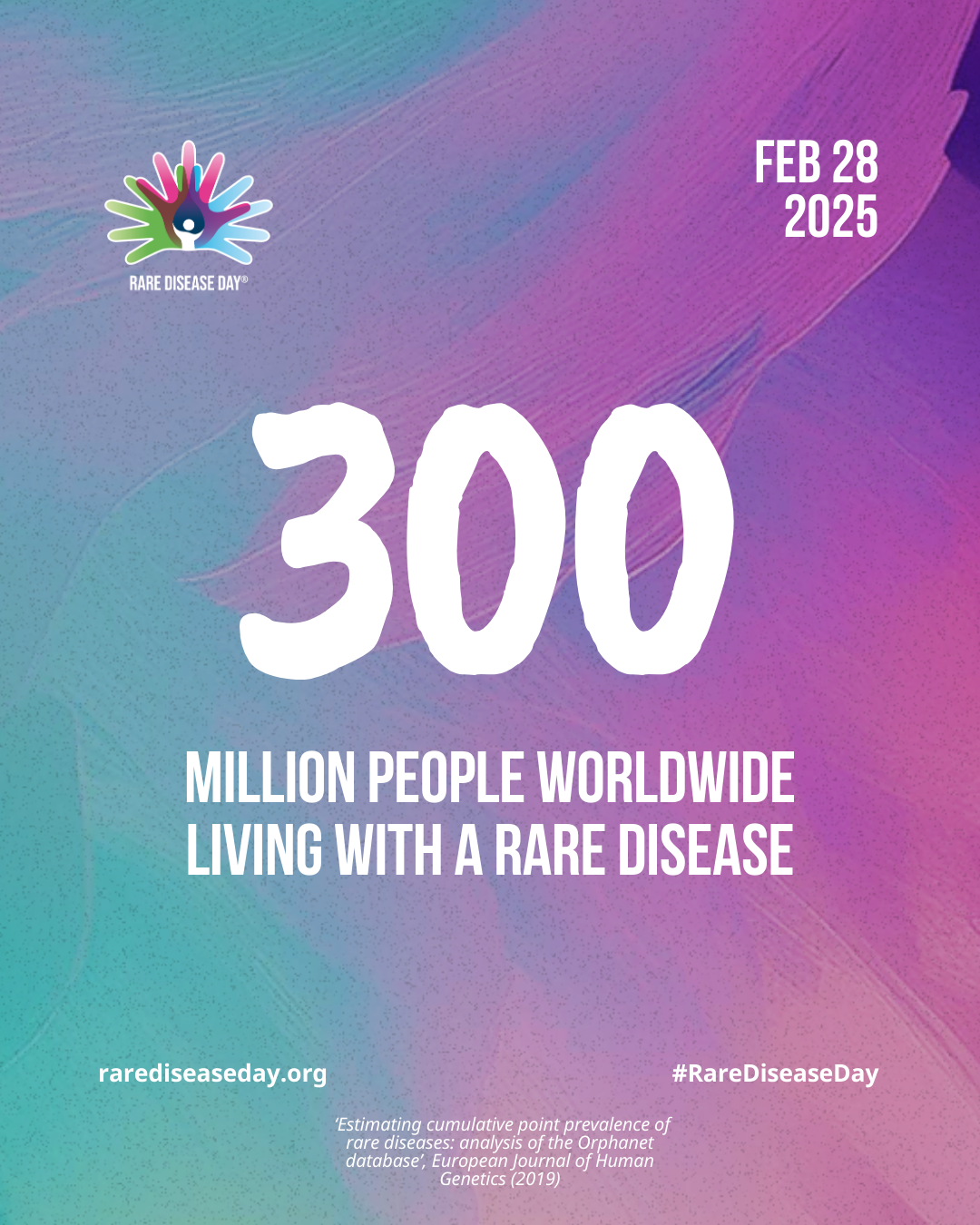
Every year on the last day of February, people across the globe come together to observe Rare Disease Day. This important awareness campaign, coordinated by EURORDIS and national alliances, aims to highlight the struggles faced by individuals living with rare diseases and to push for improved access to diagnosis, treatment, and support. With over 300 million people worldwide affected by a rare disease, this initiative is more important than ever.
What Is a Rare Disease?
A “rare disease” is defined as a condition that affects a small percentage of the population. In Europe, a disease is considered rare if it affects fewer than one in 2,000 people. However, despite their individual rarity, there are over 6,000 known rare diseases, collectively impacting millions of lives.
Many rare diseases are genetic, meaning they are inherited and present from birth, while others may develop later in life. These conditions often have severe, chronic, and disabling effects, leading to complex medical needs and, in many cases, limited treatment options.
The Purpose of Rare Disease Day
Rare Disease Day serves several vital functions:
- Raising Awareness: One of the biggest challenges people with rare diseases face is a lack of understanding—both among the public and even within the medical community. By spreading knowledge, the campaign helps to break down misconceptions and highlight the need for further research.
- Advocating for Better Healthcare: Many individuals with rare diseases experience delays in diagnosis, limited treatment options, and inadequate support. Rare Disease Day encourages governments, policymakers, and pharmaceutical companies to invest in rare disease research and medical advancements.
- Building a Supportive Community: Living with a rare disease can be isolating, but this event creates a sense of solidarity among patients, families, caregivers, and healthcare professionals.
The Theme and Activities of Rare Disease Day 2025
Each year, Rare Disease Day embraces a theme that reflects its ongoing mission. The campaign is represented by the global Rare Disease Day logo, featuring bright, colourful hands as a symbol of unity and inclusivity.
On this day, events take place worldwide, including:
- Educational Seminars and Conferences – Experts and patient organisations come together to discuss new research and treatment advancements.
- Awareness Campaigns – People share their personal stories on social media using the hashtag #RareDiseaseDay to amplify the voices of those affected.
- Fundraising and Charity Events – Many charities host events to raise funds for rare disease research and patient support programmes.
- Iconic Landmarks Lighting Up – Famous buildings and monuments across the world are illuminated in Rare Disease Day colours to symbolise solidarity.
The Challenges Faced by People with Rare Diseases
Despite progress, people with rare diseases continue to face “significant obstacles”, including:
- Delayed Diagnosis: It can take years for some individuals to receive an accurate diagnosis due to the rarity of their condition and a lack of medical knowledge.
- Limited Treatment Options: Many rare diseases have no cure, and treatments, if available, can be expensive and difficult to access.
- Emotional and Financial Struggles: The daily reality of managing a rare disease can take a heavy toll on patients and families, both emotionally and financially.
How You Can Get Involved
Even if you or your loved ones are not directly affected by a rare disease, there are many ways to support the cause:
- Educate Yourself and Others: Share information about Rare Disease Day to help spread awareness.
- Participate in Events: Attend local or online events, wear the Rare Disease Day colours, or organise an awareness initiative in your community.
- Support Charities and Research: Donations to organisations dedicated to rare diseases can help fund essential research and patient support services.
- Use Your Voice: Engage with policymakers and advocate for better healthcare policies that address the unique needs of people with rare diseases.
Final Thoughts
Rare Disease Day is more than just a date on the calendar; it is a global movement that seeks to give a voice to millions of people who often feel unheard. By raising awareness and pushing for change, we can contribute to a future where individuals with rare diseases receive the recognition, care, and support they deserve.
To learn more about Rare Disease Day and how you can get involved, visit the official website: [RareDiseaseDay.org](https://www.rarediseaseday.org).
Can Chickenpox fly?

Chickenpox is a highly contagious viral infection caused by the varicella-zoster virus (VZV). It is characterised by an itchy skin rash with red spots and fluid-filled blisters, which eventually scab over. The illness often starts with flu-like symptoms, such as fever, fatigue, and headache, followed by the appearance of the rash.
Chickenpox is most common in children, but it can also affect adults, and its symptoms tend to be more severe in adults. After a person recovers from chickenpox, the virus remains dormant in their body and can reactivate later in life, causing shingles (herpes zoster).
If you or someone you know has chickenpox, flying might not be recommended due to the highly contagious nature of the virus. Here are some key points to consider:
Contagious Period: Chickenpox is most contagious from 1-2 days before the rash appears until all the blisters have crusted over, which usually takes about 5-7 days. During this time, the risk of spreading the virus to others is high.
Airline Policies: Most airlines have strict policies about flying with chickenpox. They may require a medical certificate confirming that the person is no longer contagious. It's essential to check with the airline in advance about their specific requirements.
Risk to Other Passengers: People with chickenpox can spread the virus through airborne droplets (from coughing or sneezing) and by direct contact with the rash. It's especially risky for pregnant women, newborns, and people with weakened immune systems.
Travel Insurance: If you have chickenpox and cannot travel, having travel insurance that covers medical conditions might help cover the costs of rebooking flights or other travel arrangements.
We recommend you consult with a healthcare professional at DrNote for a note to cover your journey for your airline and if it is safe to travel after having chickenpox. Generally, flying should be avoided until all blisters have dried and crusted over.

Types of Medical Forms Required for Sporting Events Around the World
For athletes, sports teams, and event organisers, ensuring that the necessary medical documentation is completed is a crucial step in preparation for sporting events. These forms serve to safeguard the health of participants, meet regulatory requirements, and provide medical professionals with vital information in case of an emergency. At DrNote.co.uk, we assist with a wide range of medical forms required for sporting events worldwide. Below, we explore some of the key types of medical forms that athletes may need to complete.
1. Pre-Participation Medical Examination (PPME) Forms
A Pre-Participation Medical Examination (PPME) form is one of the most commonly required documents for athletes across different sports. This form is designed to assess an athlete's overall fitness level and identify any underlying medical conditions that could pose a risk during physical activity.
Many international sporting organisations and national governing bodies, such as the International Olympic Committee (IOC) and FIFA, mandate these examinations to ensure the safety of participants. The PPME typically includes sections on medical history, cardiovascular screening, musculoskeletal assessment, and general health status.
2. Cardiac Screening and ECG Clearance Forms
Cardiac-related incidents in sports have led to stricter regulations concerning heart health screenings. Some competitions, especially in endurance sports and high-intensity events, require athletes to undergo electrocardiogram (ECG) testing and obtain cardiac clearance before participation.
DrNote.co.uk provides assistance with completing these clearance forms, which typically require documentation of ECG results, specialist consultations, and approval from a qualified medical professional. Such forms are commonly required for marathons, triathlons, and professional football leagues.
3. Concussion Assessment and Return-to-Play Forms
Concussions are a major concern in contact sports like rugby, American football, and boxing. Many sporting federations enforce concussion protocols that require medical clearance before an athlete can return to competition following a head injury.
A concussion assessment form often includes a record of symptoms, neurological evaluations, and cognitive testing results. The return-to-play clearance ensures that an athlete has fully recovered before resuming participation, reducing the risk of long-term complications.
4. Medical Exemption Certificates for Therapeutic Use (TUEs)
Athletes who require medication that falls under banned substance lists, such as asthma inhalers or insulin, must obtain a Therapeutic Use Exemption (TUE). These certificates are particularly relevant for professional and elite athletes competing in events governed by anti-doping agencies like the World Anti-Doping Agency (WADA).
TUE applications require thorough medical documentation, including diagnosis details, prescribed treatments, and justification for the medication's necessity. DrNote.co.uk assists athletes in ensuring that their TUE forms are completed accurately and in compliance with regulatory standards.
5. Parental Consent and Medical Waivers for Junior Athletes
For young athletes competing in international or high-level sporting events, parental consent forms and medical waivers are often mandatory. These documents confirm that parents or guardians acknowledge the risks involved and grant permission for medical treatment if needed.
In addition, some governing bodies require detailed medical history forms for minors, including vaccination records and any known allergies or conditions. Having these forms completed properly ensures that junior athletes receive appropriate medical care during events.
6. Covid-19 and Infectious Disease Screening Forms
The Covid-19 pandemic has made health screening forms a standard requirement for many sporting events. Depending on the location and governing body, athletes may need to submit proof of vaccination, negative PCR tests, or complete a health questionnaire before being allowed to compete.
Even as Covid-19 restrictions ease, similar protocols may remain in place for other infectious diseases. DrNote.co.uk helps athletes and teams comply with these evolving requirements by ensuring their health documentation is up to date and correctly filed.
7. Travel Health and Vaccination Forms
International sporting events often require athletes to travel across borders, making travel health forms an essential component of preparation. Some countries mandate proof of specific vaccinations, such as yellow fever, hepatitis, or typhoid, depending on the destination.
These forms may also include medical fitness declarations for long-haul travel and altitude-related assessments for events held at high elevations. DrNote.co.uk provides assistance in obtaining the necessary documentation for seamless international travel.
8. Insurance and Emergency Contact Medical Forms
Most professional and amateur sporting events require athletes to have valid medical insurance. Insurance verification forms ensure that participants are adequately covered in the event of an injury or medical emergency.
Additionally, emergency contact medical forms provide essential details such as next-of-kin information, known allergies, and existing medical conditions. These forms are particularly important for high-risk sports like motorsports, extreme endurance events, and adventure races.
Conclusion
Medical forms play an essential role in ensuring the safety and well-being of athletes competing in sporting events worldwide. Whether it is a pre-participation medical examination, a concussion clearance, or a travel health declaration, having the correct documentation in place can prevent complications and enhance athlete welfare.
At DrNote.co.uk, we specialise in assisting athletes with completing the necessary medical forms efficiently and accurately. With our support, athletes and event organisers can focus on the competition, knowing that their medical documentation is in order. If you require medical forms for an upcoming sporting event, get in touch with DrNote.co.uk for professional assistance.